AEO vs GEO: The 2026 Playbook for Winning in AI Search
 Naqui Shaikh
Chapter 01: Introduction: The Search Market
Search is changing faster than at any point since Google launched in 1998. For over two decades, the rulebook was clear: optimize for keywords, earn backlinks, climb the rankings, and drive clicks. That rulebook is now being rewritten, and fast.
AI platforms like ChatGPT, Perplexity, Google's AI Overviews, Microsoft Copilot, and Claude are redefining how users discover information.
| The Numbers Don't Lie When an AI summary appears in Google results, users only click an organic result 8% of the time (Ahrefs). 77% of ChatGPT users rely on it for search, with nearly a third trusting it more than traditional search engines (Adobe). AI referrals to top websites surged 357% year-over-year between June 2024 and June 2025 (Similarweb). |
|---|
This shift doesn't mean SEO is dead. It means SEO is no longer sufficient on its own. Two new disciplines have emerged to fill the gap:
Answer Engine Optimization (AEO) and Generative Engine Optimization (GEO).
Together with traditional SEO, they form the complete optimization stack for the AI-native era.
This guide will take you through everything you need to know, from the foundations of what SEO was, through how it evolved, to the practical, platform-specific tactics that will keep your brand visible as AI reshapes discovery.
| Key Insight The average LLM visitor is 4.4x more valuable than one from traditional search, based on conversion rates (Semrush). This is not a traffic problem to fear. It is a quality opportunity to capture. |
|---|
Chapter 02: What Was SEO? A Foundation to Build On
Search Engine Optimization (SEO) emerged in the late 1990s alongside the commercial internet. Its premise was straightforward: search engines index web pages using automated crawlers, rank those pages based on relevance signals, and serve the highest-ranked results when users type queries.
For marketers, this created a clear optimization target. The better your page matched what a search engine valued, keyword relevance, page authority, backlinks, and technical crawlability, the higher it ranked, and the more traffic it received.
The Three Pillars of Traditional SEO
| Pillar | What It Means | How Marketers Optimized |
|---|---|---|
| On-Page SEO | Content, keywords, and HTML structure | Keyword research, title tags, meta descriptions, headings |
| Off-Page SEO | Authority signals from external sources | Link building, PR, brand mentions, social signals |
| Technical SEO | Crawlability and site infrastructure | Site speed, mobile optimization, schema markup, XML sitemaps |
At its core, SEO was about driving clicks. A successful page attracted organic traffic by appearing prominently in the results. The metric that mattered most was rankings, and from rankings flowed impressions, clicks, and conversions.
Microsoft Advertising describes this era well: SEO focused on driving clicks, measured through rankings and click-through rates. It was a volume game: the more visible the page, the more traffic it received.
| Why SEO Still Matters Traditional SEO is not obsolete. It is the foundation. AI systems perform real-time web searches frequently throughout the shopping and research journey, not just at the point of purchase. Your site must still rank well to be discovered, evaluated, and recommended. AEO and GEO are built on top of, not instead of, a solid SEO base. |
|---|
Chapter 03: How Search Evolved: From SEO to AEO & GEO
The evolution from SEO to AEO and GEO did not happen overnight. It was a gradual shift driven by changing user behaviour, advancing AI capabilities, and a fundamental rethinking of what search is for.
The Timeline of Search Evolution
| Era | Dominant Model | What Mattered |
|---|---|---|
| 1998–2010 | Keyword matching | Exact keywords, link volume, page authority |
| 2011–2017 | Semantic search | Intent, context, E-A-T signals |
| 2018–2022 | Featured snippets & voice | Structured answers, zero-click results |
| 2023–present | Generative AI search | Authoritative context, structured data, trust signals |
The critical turning point came with the mainstream adoption of large language models (LLMs). Where earlier search engines matched queries to indexed pages, LLMs reason over vast training data and real-time web content to synthesize a response. The output is no longer a list of links. It is a conversational answer.
This fundamentally changes what optimization means. You are no longer competing to rank on a results page that a user scrolls through. You are competing to be the source that an AI references, cites, or synthesizes when formulating its answer.
The Shift in User Behaviour
Traditional search: A user types 'waterproof rain jacket.' They receive a list of results, browse, compare, and click. The journey is long, exploratory, and multi-touch.
AI search: A user asks 'What is the best lightweight waterproof rain jacket under $200 for a three-day hike?' The AI synthesizes an answer, names specific products or brands with reasons, and may even complete a purchase. The journey is compressed, directed, and single-touch.
| The New Discovery Funnel In the AI era, the entire research and consideration phase happens inside an AI conversation, invisible to traditional analytics. This is what Microsoft Advertising calls 'invisible early-funnel research.' Brands that are not represented in AI responses are effectively absent from the consideration set, even when their SEO is excellent. |
|---|
Chapter 04: What is AEO: Answer Engine Optimization?
Answer Engine Optimization (AEO) is the practice of formatting and structuring content so that AI-powered search features can extract and present it directly to users. The term 'Answer Engine' reflects a fundamental shift in what search engines do: instead of returning links, they return answers.
AEO targets AI-powered experiences like Google's AI Overviews, Bing Copilot, Perplexity's instant answers, and similar features within ChatGPT and other platforms. Instead of competing only for blue-link rankings, AEO prepares your content to show up in the quick, answer-first snippets that are rapidly becoming the default way to consume information.
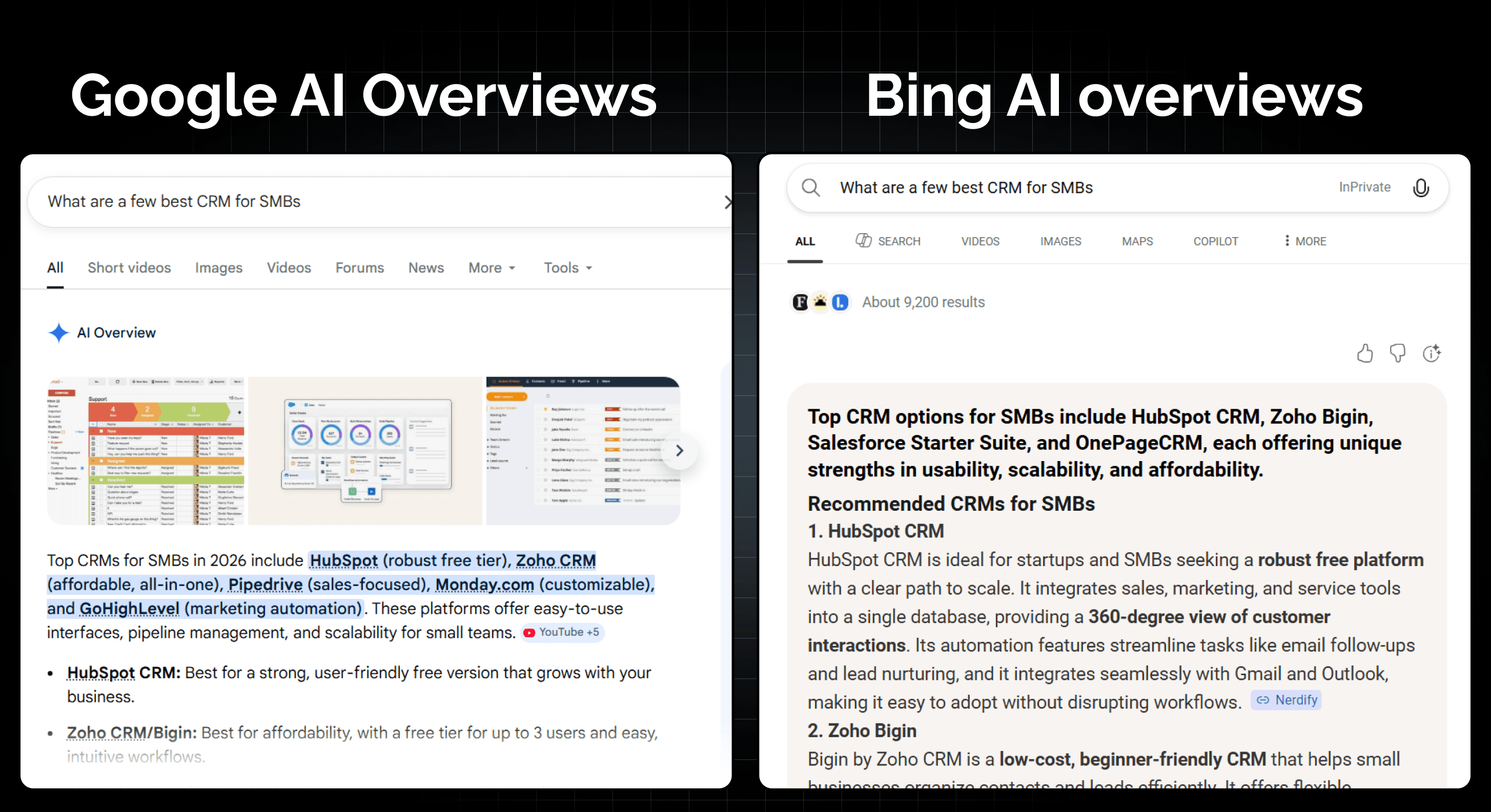
| AEO in One Sentence AEO optimizes content for AI Overviews like Google and Bing AI Overviews so they can find, understand, and present your answers effectively. (Microsoft Advertising) |
|---|
The Core Philosophy of AEO
AEO is built on a recognition that AI assistants interpret queries as intents, not keywords. When a user asks 'What is the most durable hiking boot under $150?', the AI is not matching keywords. It is understanding intent (finding a product), context (hiking, durability), and constraint (budget).
Your content must speak that same language. It needs to anticipate the questions users actually ask, answer them directly and completely, and present that information in a format that AI engines can extract without reinterpretation.
The Three Pillars of AEO
| Pillar | Description | Practical Example |
|---|---|---|
| Directness | Answer the question immediately and clearly without preamble | Lead each FAQ with a one-sentence direct answer before expanding |
| Structure | Use FAQs, numbered lists, and tables that match extraction patterns | Apply FAQPage and HowTo schema; use H2/H3s that mirror real questions |
| Accessibility | Write in plain language that engines do not need to reinterpret | Avoid jargon; use natural phrasing like 'best for day hikes above 40 degrees.' |
AEO determines whether your content gets extracted verbatim into an AI overview or snippet. It is about being the source that gets surfaced, not the source that gets bypassed.
Chapter 05: What is GEO: Generative Engine Optimization?
Generative Engine Optimization (GEO) is the practice of designing content so that large language models like ChatGPT, Perplexity, Gemini, and Claude are more likely to cite it when generating responses. Unlike AEO, which targets extractable snippets, GEO targets something deeper:
Generative engines do not return a list of links. They synthesize responses from multiple sources, often without surfacing every source to the user. To win visibility in this environment, your content needs to be the kind of source an LLM considers authoritative enough to reference directly in a full-sentence, conversational response.
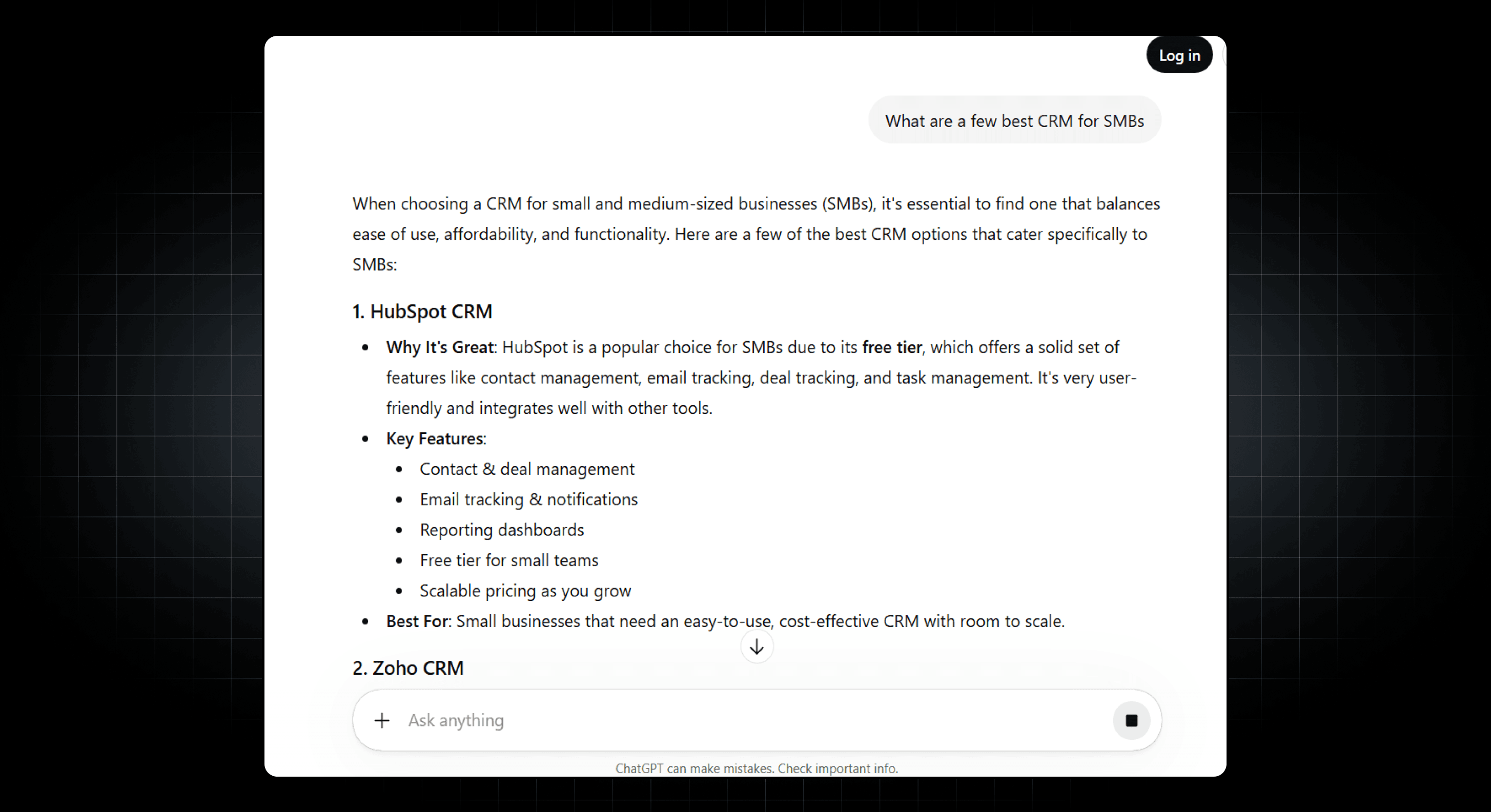
| GEO in One Sentence GEO optimizes content for generative AI search environments, such as LLM-powered engines, to make it discoverable, trustworthy, and authoritative. (Microsoft Advertising) |
|---|
What Makes Content GEO-Worthy?
GEO rewards content that exhibits three core qualities:
| Quality | What It Means | How to Achieve It |
|---|---|---|
| Evidence-backed | Data, original research, and verified statistics | Include proprietary data, cite third-party research, and reference verifiable sources |
| Structured | Well-organized with schema, metadata, and navigable sections | Use schema markup, clear headings, comparison tables, and descriptive metadata |
| Transparent | Clear authorship, citations, and data provenance | Name authors with credentials, link to primary sources, and include publication dates |
GEO is about building reference-grade content: the kind of material that an LLM chooses to cite because it is the most authoritative, well-structured, and evidence-backed source available on a topic. Think of it as earning the digital equivalent of being quoted in a textbook.
The GEO Visibility
Traditional visibility is measured in rankings and clicks. GEO visibility is measured in citations and mention share, specifically how often your brand or content is referenced in AI-generated responses across platforms. This is a fundamentally different metric, but it correlates directly with brand trust and conversion quality.
| Why GEO Mentions Beat Traditional Clicks When an AI cites your brand in a response, the user receives an implied endorsement from a trusted AI system. Our research shows LLM visitors convert at 4.4x the rate of traditional search visitors. They arrive pre-qualified, with intent already shaped by the AI's recommendation. |
|---|
Chapter 06: AEO vs GEO: Understanding the Difference
AEO and GEO are often used interchangeably, but they target different AI behaviors, different content types, and different visibility outcomes. Understanding the distinction is essential for building a complete optimization strategy.
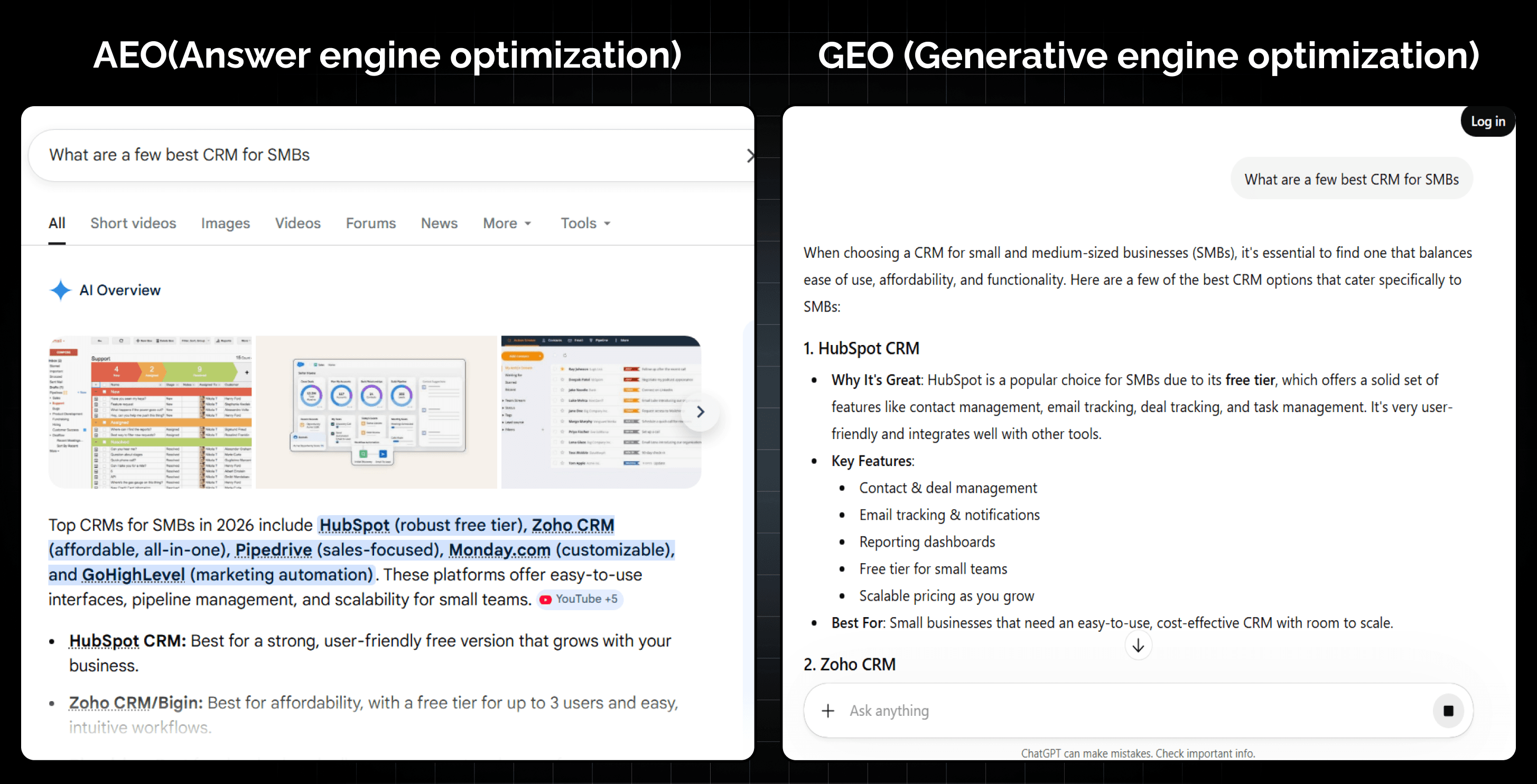
| Dimension | AEO (Answer Engine Optimization) | GEO (Generative Engine Optimization) |
|---|---|---|
| Primary Goal | Be extracted verbatim into AI overviews and snippets | Be cited by LLMs as a trusted, authoritative source |
| Target Behavior | Snippet extraction and instant answers | Long-form generation and citation in conversational responses |
| Content Style | FAQs, definitions, step lists, short explanatory passages | Research reports, data-driven articles, structured insights |
| Authority Signal | Clarity, technical markup, brand mentions | E-E-A-T, authorship, original data, provenance, transparency |
| Visibility Metric | Inclusion in AI overviews, snippet placement | Citations in AI responses, mention share |
| Optimization Focus | Concise, scannable Q&A, schema markup | Structured, citation-worthy, comprehensive content |
| Best For | Bottom-funnel, specific queries with clear answers | Top/mid-funnel, complex topics requiring synthesis |
A Practical Analogy
Think of the difference this way: AEO is like being the answer written on a flashcard: concise, direct, immediately extractable. GEO is like being the reference textbook: comprehensive, authoritative, cited when building understanding. Both matter; they serve different moments in the user journey.
The SEO-AEO-GEO Stack
The three disciplines form a layered optimization stack, not competing alternatives:
| Layer | Role | Analogy |
|---|---|---|
| SEO | Establishes baseline visibility, crawlability, and organic rankings | Building a store on a visible street |
| AEO | Ensures content surfaces in AI-driven snippets and answer formats | Putting your best products in the shop window |
| GEO | Positions content as a trusted reference that LLMs cite in full responses | Having your brand featured in a trusted magazine |
| Key Takeaway Research confirms that people who use ChatGPT don't completely abandon Google Search (Semrush). SEO, AEO, and GEO are not competitors. They are compounding investments. Each layer makes the others more effective. |
|---|
Chapter 07: The AI Ecosystem: Browsers, Assistants & Agents
To optimize for AI, you need to understand the three distinct yet overlapping ways AI engages with your content and your customers. Microsoft Advertising describes this ecosystem with precision:
AI Browsers
AI browsers, such as Edge, Atlas, and Chrome with built-in intelligence, can 'see' the page a user is on in real time. They interpret on-page content and surface helpful context while browsing. For retailers and content publishers, this means that on-page structure, schema markup, and real-time data accuracy directly influence what the browser AI surfaces.
AI Assistants
AI assistants like Copilot, ChatGPT, and Gemini meet users in conversation. They answer questions, help with tasks, and translate user intent into actionable guidance. Assistants draw on multiple sources: pre-trained knowledge, real-time web searches, product databases, and knowledge graphs. What you control is how well your content performs across all those signals.
AI Agents
AI agents go further still: they do not just advise, they act. Agents can navigate websites, fill forms, click buttons, and complete purchases end-to-end. This makes your live website infrastructure, not just your content, a direct optimization target. A perfect product feed and excellent content mean nothing if an agent cannot complete a transaction on your site.
| The Overlapping Capability Trap These are not three separate worlds. They are overlapping capabilities. A browser may include an assistant; an assistant may include agent behaviors; an agent may rely on an assistant's reasoning. The practical question is not 'which box does this live in?' but 'what data can this capability access and use, and how do we make that data accurate, comprehensive, and trustworthy?' (Microsoft Advertising) |
|---|
What This Means for Your Strategy
Optimizing for the AI ecosystem requires thinking across three data surfaces simultaneously:
- Crawled data: what AI learned during training and retrieves from indexed web pages
- Product feeds and APIs: the structured data you actively push to AI platforms
- Live website data: the real-time information AI agents see when visiting your actual site
Each surface requires different optimization approaches, covered in detail in Chapters 9 through 12.
Chapter 08: How AI Systems Rank and Surface Content
Understanding how AI systems move from query to response is essential for effective optimization. The process involves multiple stages, each with distinct signals that you can influence.
 The AI Reasoning Phase
When a user submits a query to an AI assistant, the system enters what Microsoft Advertising calls the 'reasoning phase.' This is a multi-signal process that typically includes:
| Stage | What Happens | What You Can Influence |
|---|---|---|
| Natural Language Understanding | The AI interprets the query's true intent, not just keywords | Write content that matches the way users actually phrase questions |
| Query Fan-Out | The AI breaks complex queries into sub-queries to research | Ensure your content covers multiple facets of a topic comprehensively |
| Freshness Evaluation | The AI assesses how current the information is | Expose dateModified attributes; sync prices and inventory in real time |
| Text Relevance | The AI matches query intent to content meaning | Front-load descriptions with benefits and use-case context |
| Commercial Signals | For shopping queries, availability, price, and promotions are weighted | Maintain accurate product feeds with competitive pricing and stock status |
| Contextual Relevance | The AI weighs how well content fits the full context of the conversation | Build content with clear use-case specificity and comparative context |
What the Reasoning Phase Uses
The AI draws on three distinct data pools during this phase:
| Crawled Data Provides General knowledge about your category and brand, category-level understanding (e.g., 'rain jackets need good waterproof ratings'), and brand positioning built up over time through indexed web content. |
|---|
| Product Feeds & APIs Provide Current prices and competitive positioning, real-time availability and stock status, key product specifications and technical attributes, and promotional offers with explicit start/end dates. |
|---|
| Live Website Data Provides On-page structured data and rendered content, dynamic pricing and inventory, rich media like video transcripts and image alt text, user reviews and aggregate ratings, and transaction capabilities for AI agents. |
|---|
Chapter 09: The Three Data Pillars for AI Discoverability
In the AI-powered landscape, your content needs to show up in three distinct ways, each representing a different data surface that AI systems draw upon. Microsoft Advertising identifies these as the three foundational pillars of AI discoverability:
Pillar 1: Crawled Data and Your Baseline Reputation
Crawled data is the information AI systems learned during training and retrieve from indexed web pages. It shapes your brand's baseline perception and provides grounding for AI responses, covering your product categories, reputation, and market positioning.
This is what a well-executed traditional SEO strategy builds. Your brand's crawled data profile determines whether AI systems know your brand at all and whether that knowledge is accurate and positive. For brands new to AI optimization, this is where to start: ensure your on-site content is comprehensive, accurate, and structured for machine comprehension.
Pillar 2: Product Feeds and APIs for Active Representation
Product feeds and APIs are the structured data you actively push to AI platforms. This gives you direct control over how your products are represented in AI comparisons and recommendations. Feeds provide the accuracy, detail, and consistency that AI systems use to surface your products in real-time queries.
Unlike crawled data, which the AI collects passively, feeds are your active communication channel to AI systems. A well-maintained, enriched product feed ensures that an AI assistant recommending jackets under $200 has accurate pricing, current availability, and complete specifications for your products.
Pillar 3: Live Website Data and Agent-Ready Infrastructure
Live website data is what AI agents encounter when they visit your actual site. This includes rich media, user reviews, dynamic pricing, transaction capabilities, and any content that exists only as rendered HTML rather than in your feeds or training data.
As AI agents become capable of completing purchases end-to-end, your live website becomes a direct commerce channel for AI. Without a functional, agent-accessible site, a perfect feed and excellent content may still result in a lost sale. The principle is simple: without your live site working properly, the sale fails even if your feed and crawled data were perfect.
| The Key Insight Most retailers already hold the data signals that influence AI ranking. They are simply not surfaced in product feeds. By enriching feeds and content assets with attributes and trust-based data, brands can help AI understand not just what a product is, but why users love it and when it performs best. This is the foundation of AI ranking readiness. (Microsoft Advertising) |
|---|
The Complete Marketer's Guide to AEO & GEO | 2025 Edition
Chapter 10: Best Practices: Making Your Catalog Machine-Readable
The first action category for AI optimization is structural: ensuring your catalog and content are readable, accurate, and consistent across all data surfaces that AI systems access. This is the data infrastructure layer.
Schema Implementation
Schema markup tells AI systems exactly what your content represents, removing ambiguity. Deploy the following schema types as a priority:
- Product, for product pages and catalogue listings
- Offer, for pricing, availability, and promotional information
- Aggregate_Rating, for review scores and vote counts
- Review, for individual user and expert reviews
- Brand, for brand identity and official associations
- Item_List, for category pages and collections, so AI understands product groupings
- FAQ, for structured Q&A content that AI can extract directly
Key implementation details:
- Ship JSON-LD rather than microdata, as it is cleaner, easier to maintain, and preferred by most AI systems
- Use descriptive titles that pair product name with key differentiator, for example: 'TrailMaster 30L Hiking Jacket, Waterproof 3-Season Gear'
- For multi-region operations, express localized pricing and language via inLanguage and priceCurrency attributes
- Include dynamic fields in your schema: price, availability, color, size, SKU, GTIN, and dateModified
Real-Time Synchronization
Schema markup is only valuable when it reflects reality. Stale data actively harms your AI visibility. AI systems that surface your product with an incorrect price or unavailable status will learn to trust your data less over time.
- Sync price and inventory in real time between product feeds and on-site schema
- Expose dateModified and availability attributes in structured data
- Include explicit start and end dates for promotions and limited-time offers
- Maintain consistent values across feed, on-site schema, and user-facing displays
- Ensure your rendered DOM contains the same facts consumers see, never serve different HTML to bots
| Critical Rule Never serve different HTML to crawlers than to users. AI systems that detect inconsistencies between your bot-facing and user-facing content will penalize your trust score across their systems. Consistency is a foundational trust signal. |
|---|
Chapter 11: Best Practices: Content Enrichment & Intent Design
Once your technical foundation is in place, the second action category is enriching your content to match how AI systems interpret and respond to user intent. AI assistants translate queries into intents, and your content must be structured to answer those intents directly.
Intent-Driven Product Information
Move beyond describing what a product is. Describe when it is best, who it is for, and what problem it solves. This is the difference between SEO content and AEO/GEO content:
| Approach | Example | Why It Works |
|---|---|---|
| SEO (keyword) | 'Waterproof rain jacket' | Matches keyword queries in traditional search |
| AEO (clarity) | 'Lightweight, packable waterproof rain jacket with stuff pocket, ventilated seams and reflective piping' | Answers specific attribute queries from AI assistants |
| GEO (authority) | 'Best-rated waterproof jacket by Outdoor magazine, no-hassle returns for 180 days, three-year warranty, 4.8 star rating' | Provides the trust and context signals LLMs use to recommend and cite |
Specific content enrichment tactics:
- Front-load descriptions with benefits: who it is for, what problem it solves, what makes it better than alternatives
- Add clear use-case context, e.g., 'best for day hikes above 40 degrees' or 'designed for urban commuters in light rain'
- Create headings that mirror real-world queries, including specific use cases and conditions
- Provide Q&A blocks AI can reason over and cite, 'Which size should I pick?' 'Is this waterproof at sustained rainfall?'
- Display product specs as structured key-value pairs and feature lists, not buried in paragraphs
- Include comparison tables that highlight contextual differences between models or products
- Add 'goes well with' data for complementary or bundled products
Multi-Modal Signals
AI systems do not only read text, they process images, video, and structured metadata. Optimizing non-text content expands your AI visibility surface:
- Write detailed alt text and ImageObject schema describing visuals, e.g., 'green jacket with reinforced zipper and extended hood on a hiker in rain'
- Provide video transcripts that parse feature explanations for AI text processing
- Ensure mobile and voice experiences expose identical structured data, not just desktop HTML
- Include charts, screenshots, and product images with descriptive metadata, AI summaries often keep images visible longer than text
Chapter 12: Best Practices: Trust Signals & Authority
The third action category is credibility. AI systems prioritize trustworthy sources, and they have sophisticated mechanisms for evaluating trust that go well beyond traditional domain authority metrics. Building AI-credible content is a distinct discipline.
Verified Social Proof
AI systems actively use review signals to formulate recommendations. The difference between appearing in an AI recommendation as 'a good option' versus 'the best-rated jacket for hiking' is driven almost entirely by how well your review data is structured and verified.
- Include verified reviews marked with Review and AggregateRating schema
- Highlight review volume and verified purchase ratios, AI weighs authenticated reviews more heavily
- Surface review sentiment that enables natural-language recommendations, e.g., 'highly rated for comfort and fit in wet conditions'
- Encourage reviewers to describe specific use cases, these become the exact phrases AI uses when recommending your products
Authoritative Brand Identity
LLMs make citation decisions partly based on whether a source appears to be an authoritative, official voice on a topic. Build a structured, verifiable identity:
- Add brand identifiers and official social/retailer links in your structured data
- Link to expert reviews and articles where your products are featured, third-party validation is a powerful GEO signal
- Surface certifications, sustainability badges, and partnerships as factual entities, e.g., 'Certified B Corp,' 'Climate Neutral Certified,' 'Recommended by Outdoor Magazine'
- Attribute content clearly: assign named authors with relevant expertise and include short bios that establish their qualifications
Content Integrity
AI systems actively penalize low-trust signals. Exaggerated claims, unverifiable statistics, and inconsistent brand voice all reduce the likelihood of AI citation and recommendation:
- Avoid superlatives and unverifiable claims, 'the world's best' without citation will be discounted
- Maintain consistent brand voice across all touchpoints, AI systems flag inconsistency as a credibility signal
- Provide structured FAQ content and help resources that ground conversational answers in factual detail
- Keep information current, include publication dates and update regularly so AI systems know your content is fresh
- Cite primary research, authoritative publications, or original data to validate claims
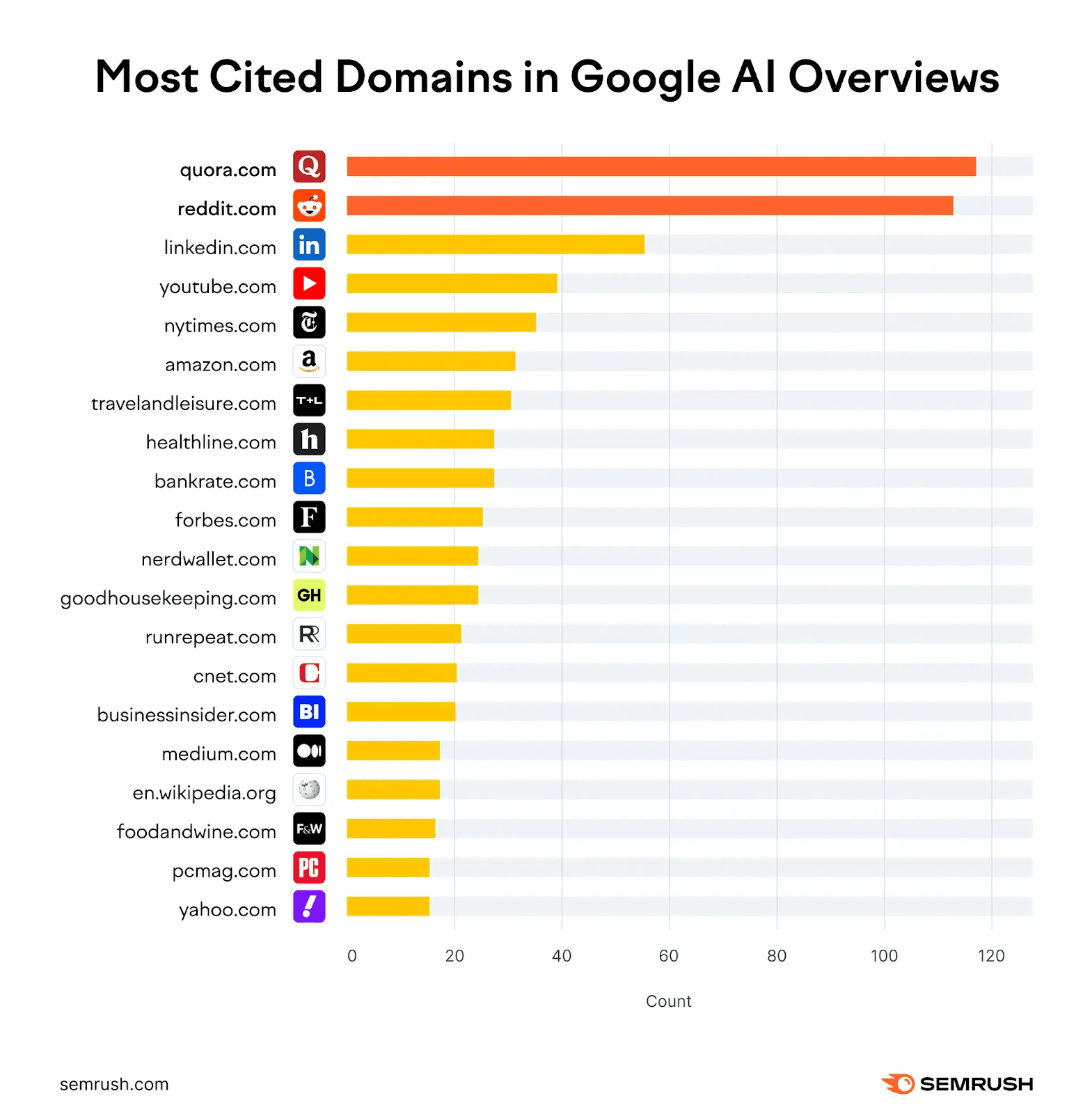
| The Third-Party Validation Principle Research consistently shows that Quora, Reddit, LinkedIn, and Wikipedia are the most-cited sources in AI Overviews, not brand websites. This is not because brand content is ignored, but because these platforms provide the third-party validation signal that LLMs use to confirm credibility. Your optimization strategy should include earning mentions and consistent representation on these platforms as a deliberate GEO tactic. |
|---|
Chapter 13: Platform-by-Platform Content Guide
Different AI platforms surface content in fundamentally different ways. A one-size-fits-all approach leaves significant visibility on the table. Understanding how each platform retrieves, weights, and presents information enables you to tailor your content strategy for maximum reach across the full AI ecosystem.
Overview: How Major AI Platforms Differ
| Platform | Retrieval Method | Primary Trust Signal | Format Preference |
|---|---|---|---|
| ChatGPT | Pre-trained + browsing (GPT-4+) | Structured formats, brand authority | Bullet points, FAQs, lists |
| Google AI Overviews | Real-time Google index | Schema markup, E-E-A-T | Short definitions, FAQ/HowTo schema |
| Perplexity | Real-time web search (always) | Authoritative sources, original data | Citations, clear provenance |
| Bing Copilot | Real-time Bing search + feeds | High-quality indexed results | Step-by-step guides, comparisons |
| Claude | Pre-trained + retrieval (Claude.ai) | Coherent, well-structured passages | Long-form, structured sections with evidence |
| Gemini | Google index + Google products | E-E-A-T, structured data | Comprehensive coverage, verified facts |
The chapters that follow provide platform-specific writing guides with concrete examples and tactics for each major AI surface.
Chapter 14: Writing for ChatGPT
ChatGPT operates from a blend of pre-trained knowledge (from its training data) and, in its browsing-enabled versions, real-time web retrieval. Its training data gives it strong general knowledge, but its recommendations and citations increasingly rely on what it can find and verify in real time.
| ChatGPT, Structured formats are often lifted verbatim Bullet points, numbered lists, and FAQs are frequently extracted directly into ChatGPT responses ChatGPT rewards comprehensive topical coverage, cover a subject in full, not just the obvious angle Brand consistency matters: ChatGPT builds an impression of your brand from multiple touchpoints across its training data For shopping queries, ensure product feeds are accurate, ChatGPT with browsing will verify pricing and availability Schema markup improves the likelihood of being surfaced in ChatGPT's browsing results |
|---|
Content Format for ChatGPT
ChatGPT strongly favors structured, scannable formats. When generating a response, it often constructs content that mirrors the structure of its source material. If your source content uses clear bullet points, numbered steps, or FAQ structures, ChatGPT is more likely to lift that structure directly.
Best Content Types for ChatGPT Visibility
- Product comparison tables with clear attribute columns
- FAQ pages with direct, one-sentence answers followed by expansion
- Numbered how-to guides: 'How to choose the right hiking boot in 5 steps'
- Definition-first articles: lead with a clear definition before elaborating
- Best-of lists with explicit selection criteria
Optimizing for ChatGPT's Knowledge Base
Because ChatGPT's responses are also shaped by its pre-trained knowledge, your brand's presence across the broader web matters. Earning mentions in widely-crawled sources, major publications, industry blogs, review platforms, and forums, builds the brand context that ChatGPT draws on even when not actively browsing.
| Prompt-Matching Tip Study how your customers phrase questions to ChatGPT. These are often more conversational and context-rich than traditional search queries, 'I am going on a three-day hiking trip in the Pacific Northwest in October. What waterproof jacket should I get?' Your content should include the use cases, conditions, and contexts that appear in real user prompts. |
|---|
The Complete Marketer's Guide to AEO & GEO | 2025 Edition
Chapter 15: Writing for Google AI Overviews & Perplexity
Google AI Overviews
Google AI Overviews sits at the top of search results, synthesizing an answer from multiple indexed sources. It draws exclusively from Google's index, which means traditional SEO fundamentals remain essential, but they are necessary, not sufficient.
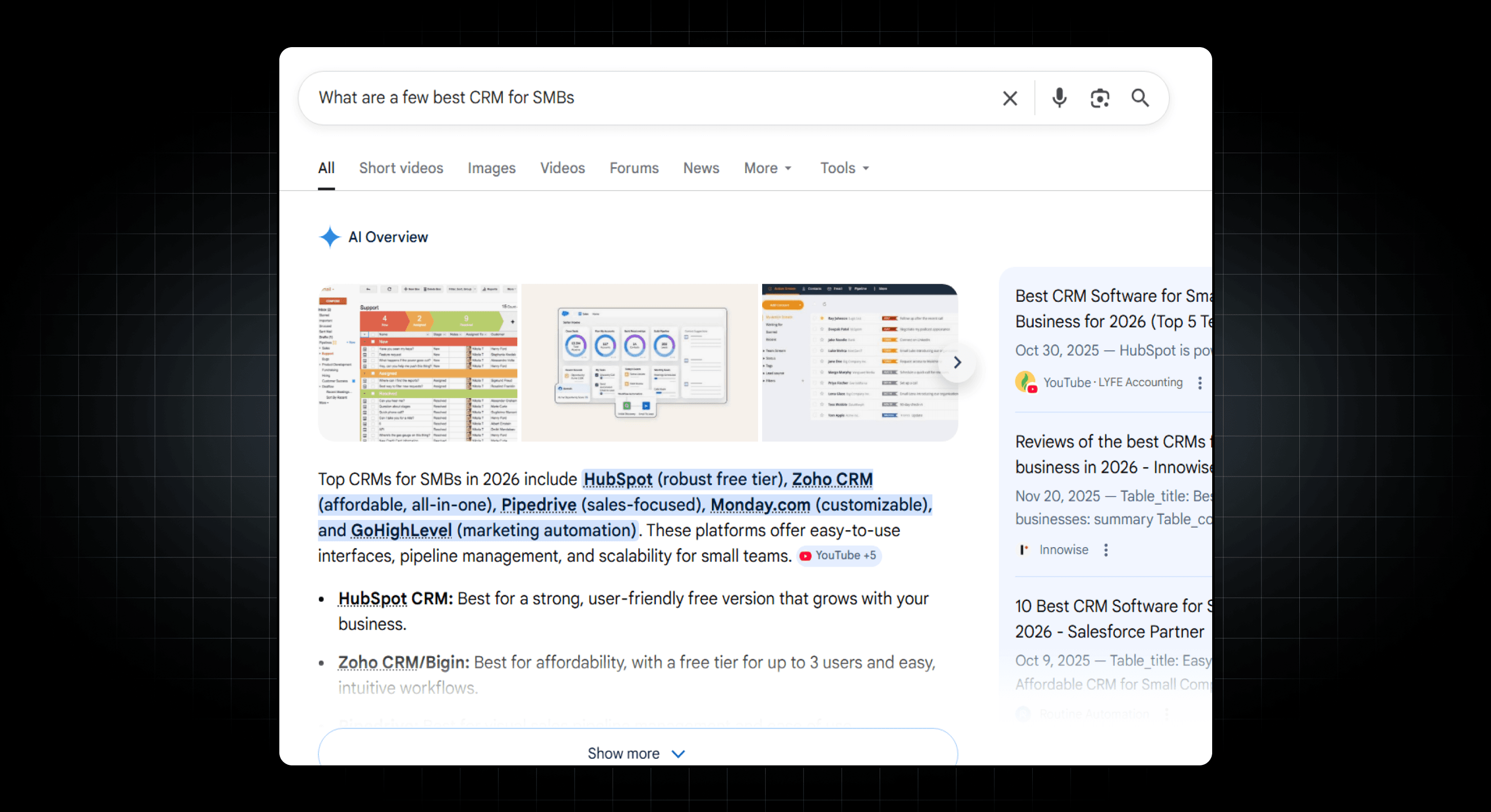
| Google AI Overviews, Schema markup and short definitions win here FAQ schema, HowTo schema, and short definitional passages improve inclusion probability significantly Visual content with descriptive alt text is retained in AI Overviews longer than text-only content E-E-A-T (Experience, Expertise, Authoritativeness, Trustworthiness) is the dominant ranking framework Content that directly answers a question in the first sentence is far more likely to be extracted Internal linking and topical authority clusters signal comprehensive coverage to Google's AI systems Keep answers concise, Google AI Overviews favor passages under 150 words for extraction |
|---|
Writing Tactics for Google AI Overviews
- Use 'What is,' 'How to,' and 'Why does' heading structures that match natural query patterns
- Answer the question immediately, do not bury the answer after several paragraphs of context
- Use numbered steps for process-based content; Google's AI extracts numbered lists reliably
- Ensure your page loads fast and is mobile-optimized, Google's AI systems favor technically healthy pages
- Include data-backed statements, 'Studies show' and referenced statistics increase extraction likelihood
Perplexity
Perplexity is a pure answer engine, it always performs real-time web searches and always includes citations. This makes it the most transparent AI platform for measuring GEO effectiveness: if your content appears as a Perplexity citation, your GEO strategy is working.
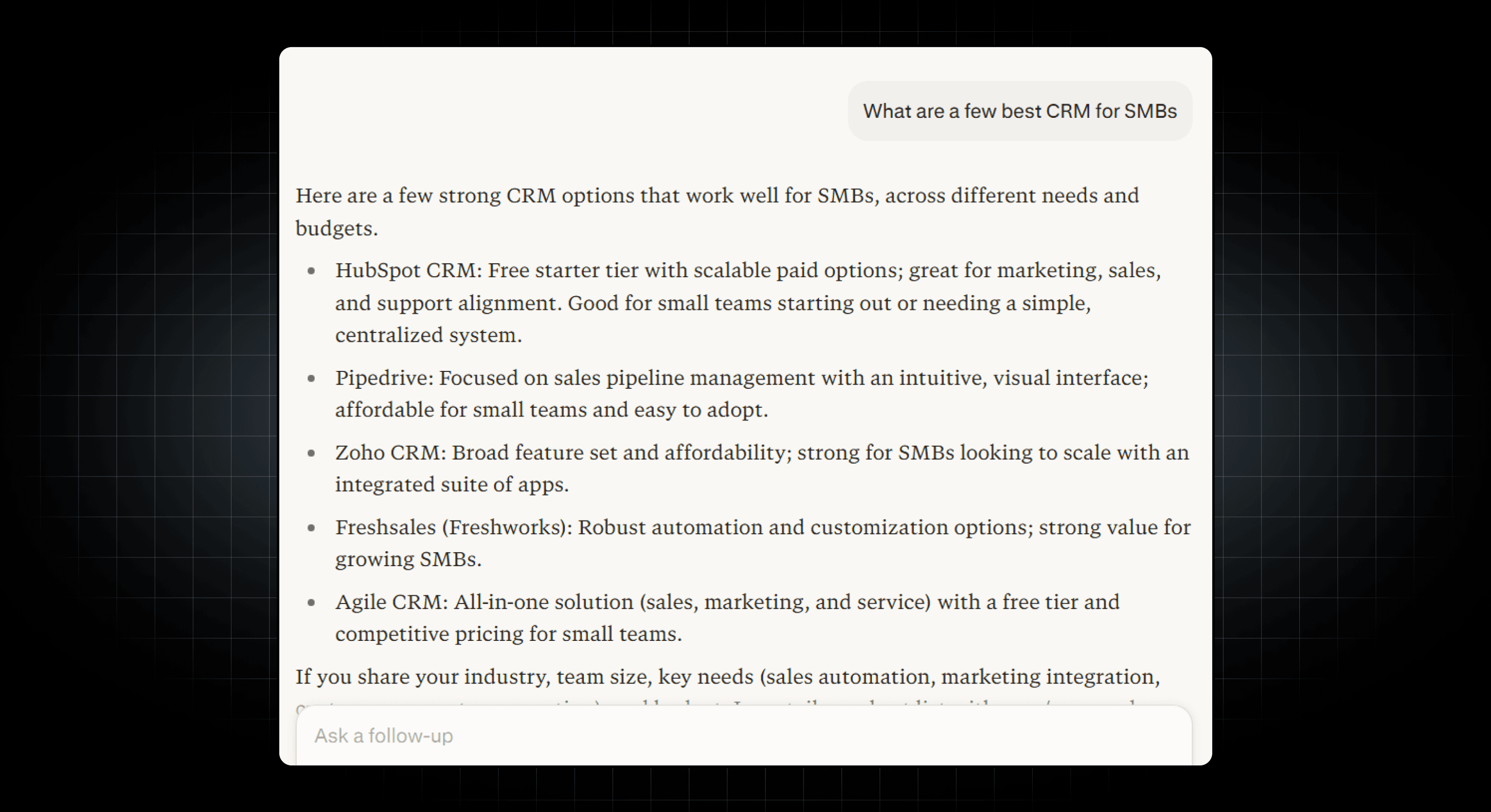
| Perplexity, Always cites, prioritize original data and clear provenance Perplexity always includes citations, making source credibility its primary trust filter Prioritize authoritative sources: original research, verifiable data, and expert authorship outperform general content Clear provenance signals, 'According to our 2024 survey of 1,200 hikers...', dramatically increase citation probability Perplexity tends to cite multiple sources per response, so comprehensive, factual content from less-dominant brands can earn citations Pages with clear author credentials and publication dates rank higher in Perplexity's source evaluation Perplexity users tend to ask research-intent queries, create comprehensive, reference-grade content for complex topics |
|---|
| Perplexity Strategy Because Perplexity always cites, it is the best platform for testing whether your GEO strategy is working. Run your target queries in Perplexity monthly and track whether your content appears as a citation. If competitors are cited and you are not, audit their content against the authority and provenance standards described in Chapter 12. |
|---|
The Complete Marketer's Guide to AEO & GEO | 2025 Edition
Chapter 16: Writing for Claude
Claude (Anthropic)
Claude prioritizes longer, coherent passages and benefits significantly from well-structured content with clear explanations and supporting evidence. Unlike platforms that favor short, extractable snippets, Claude tends to synthesize more comprehensive responses, and cites sources that provide the depth required for that synthesis.
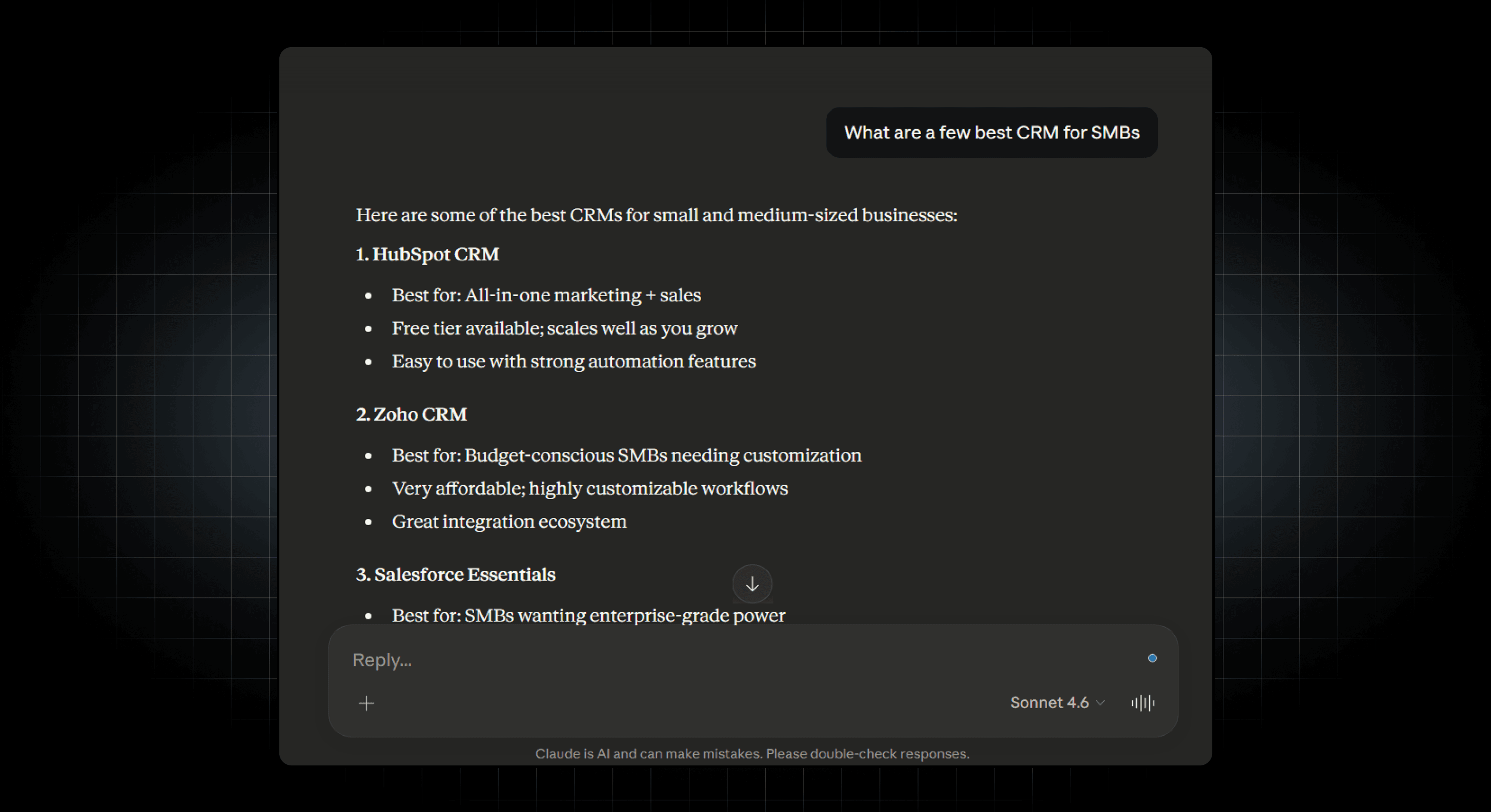
| Claude, Prioritizes coherent, well-structured passages with supporting evidence Write in longer, coherent sections, Claude rewards depth and completeness over brevity Use clear logical progression: state a claim, provide evidence, explain the implication Include supporting data, citations, and real-world examples within the same passage Avoid fragmented bullet-heavy content, Claude weights continuous, well-reasoned text more heavily Comprehensive comparison content performs well: 'Model A vs Model B across five key dimensions' Expert authorship signals (author bios, credentials, institutional affiliations) increase citation probability |
|---|
Writing Tactics for Claude
- Structure content with a clear thesis, supporting evidence, and conclusion within each major section
- Use subheadings to create navigable sections, Claude benefits from clear hierarchical structure
- Write at a consistently high information density, avoid padding and filler phrasing
- Include nuanced, contextual recommendations rather than absolute statements, Claude values epistemic accuracy
- For complex topics, provide multiple perspectives and synthesize them, this mirrors Claude's own response style
Bing Copilot
Bing Copilot synthesizes responses from real-time Bing search results and Microsoft's Shopping feed data. For retail and product content, Bing Copilot is particularly significant because it integrates product feed data directly into conversational responses, meaning feed quality directly determines product recommendation inclusion.
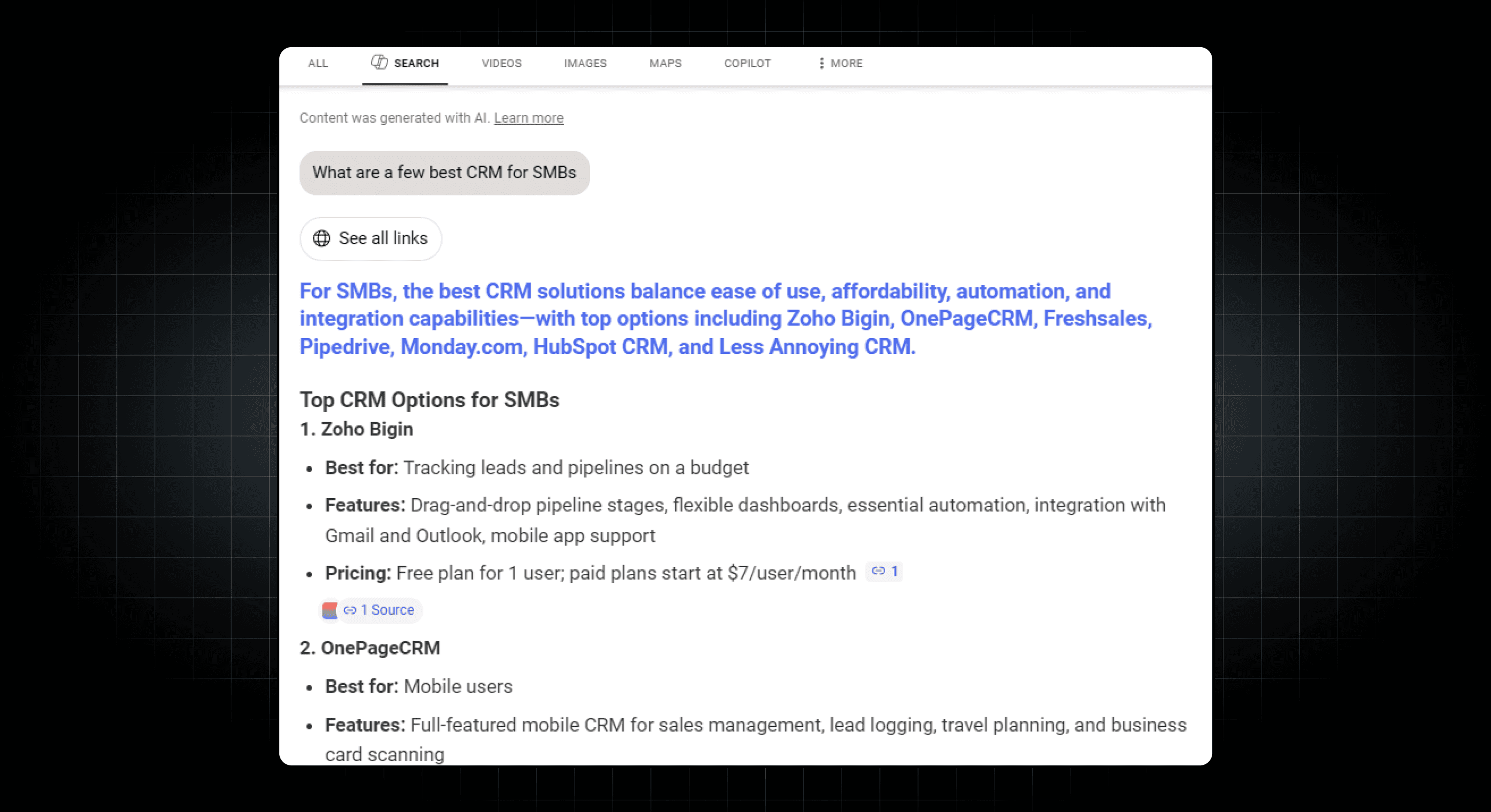
| Bing Copilot, Synthesizes from search + feeds; favors guides and clear comparisons Step-by-step guides and clear comparison content are heavily favored for extraction Product feed accuracy is critical, Copilot integrates feed data into product recommendations directly Ensure your Microsoft Merchant Center feed is complete, current, and enriched with all available attributes Copilot uses commercial signals (price competitiveness, in-stock status) as ranking factors for product queries Review schema and AggregateRating markup directly influence how Copilot describes your products FAQ content on product pages improves the contextual depth Copilot uses when recommending products |
|---|
| Copilot Integration Advantage Bing Copilot has a unique integration with Microsoft's Shopping ecosystem. Retailers with well-maintained Microsoft Merchant Center feeds have a direct pipeline into Copilot's product recommendations. This is one of the clearest examples of feed optimization translating directly into AI visibility, and it is fully within your control. |
|---|
The Complete Marketer's Guide to AEO & GEO | 2025 Edition
Chapter 17: Measuring Success in AEO & GEO
Traditional SEO measurement, rankings, organic traffic, click-through rates, captures only a fraction of AI visibility. As AI search compresses or eliminates the click entirely, new measurement frameworks are required.
The New Measurement Stack
| Metric | What It Measures | How to Track |
|---|---|---|
| AI Mention Share | How often your brand appears in AI-generated responses for target queries | Run target queries monthly in ChatGPT, Perplexity, and Copilot; track brand mentions vs. competitors |
| Citation Frequency | How often your content is cited as a source by AI platforms that show citations (Perplexity, some ChatGPT responses) | Monitor Perplexity citations; track referral traffic from AI platforms |
| LLM Visitor Quality | Conversion rate and value of visitors arriving from AI platforms vs. traditional search | Segment analytics by referrer; compare LTV of AI-referred vs. organic visitors |
| Snippet Inclusion Rate | How often your content appears in Google AI Overviews for target queries | Monitor Google Search Console; track 'AI Overview included' in position data |
| Feed Accuracy Score | Freshness and completeness of product feed data across AI platforms | Audit feed error rates, coverage gaps, and update frequency in Merchant Center |
| Brand Voice Consistency | How consistently AI platforms describe your brand across unprompted mentions | Run brand queries in multiple AI platforms; compare response language to brand guidelines |
The Invisible Funnel Challenge
One of the most significant measurement challenges in the AI era is what Microsoft Advertising calls 'invisible early-funnel research', the consideration and comparison phase that now happens inside AI conversations rather than on your site or on search result pages.
Traditional attribution models will undercount AI's influence on conversion because the AI conversation that shaped a purchase decision leaves no trackable click trail to your site. Building a measurement strategy that accounts for this requires tracking the quality of AI-referred traffic, not just its volume.
| Measurement Priority Start with Perplexity citation tracking, it is the most transparent AI platform and the easiest to monitor manually. Run your 20 highest-value queries monthly and record which sources are cited. This gives you a direct signal of your GEO effectiveness and a clear competitive benchmark. |
|---|
Chapter 18: Your Action Plan: The 5-Step Implementation Framework
Incorporating AEO and GEO into your strategy does not require starting from scratch. It requires building on your existing SEO foundation with a structured, AI-aligned approach. Here is the complete implementation framework:
Step 1: Automate Keyword Research & Intent Mapping
Traditional keyword research captures search volume and competition. AEO/GEO keyword research captures intent, the underlying question, context, and desired outcome behind each query. Expand your research to:
- Cluster topics by intent type: informational, transactional, comparative, or problem-solution
- Map each intent cluster to the optimal content format: FAQ, guide, comparison table, definition
- Identify the specific use-case contexts your audience brings to AI queries, these become content enrichment targets
- Use AI tools to analyze customer transcripts, chat logs, and review text for natural language patterns
Step 2: Structure Content for AI Parsing
Every piece of content should be structured for both AI extraction and human readability. The two are not in conflict, clear, well-structured content serves both audiences:
- Use intent-based headings: turn user questions into H2 or H3 headings
- Lead with the answer: open each section with a one-sentence direct response to the heading question
- Expand with supporting detail: follow with short paragraphs, bullets, or numbered steps
- Apply schema markup: FAQPage, HowTo, Product, Offer, Review, make relationships explicit for machines
- Write conversationally: use natural phrasing that reflects how users actually ask questions
Step 3: Build Authority & Trust
AI systems elevate content that signals credibility. Scale trust signals systematically across your content library:
- Attribute content clearly: assign named authors with relevant expertise
- Support claims with evidence: cite primary research, authoritative publications, or original data
- Prioritize brand consistency across platforms where LLMs trust: Reddit, Quora, LinkedIn, Wikipedia
- Show transparency: link to source materials, include publication dates, update content regularly
- Reinforce brand trust signals: ensure company information, policies, and contact details are consistent
Step 4: Optimize for Individual AI Platforms
Tailor content to the specific retrieval and weighting behaviors of each major AI platform:
- For ChatGPT: prioritize structured formats and comprehensive topical coverage
- For Google AI Overviews: invest in schema markup, E-E-A-T signals, and short definitional passages
- For Perplexity: lead with original data, clear provenance, and authoritative source signals
- For Bing Copilot: maintain accurate, enriched product feeds and create step-by-step guides
- For Claude: write longer, coherent passages with clear logical structure and supporting evidence
- Test each platform with your target queries and refine based on what gets extracted or cited
Step 5: Evaluate & Iterate at Scale
AEO and GEO optimization is ongoing. The AI landscape changes rapidly, and your content must evolve with it:
- Track AI mention share and citation frequency monthly for your highest-value queries
- Identify decaying content: pages whose AI visibility is declining signal structural or freshness issues
- Run competitor gap analysis: identify where competitors are cited and you are not
- Build content refresh cycles into your editorial workflow, stale content loses AI trust over time
- Use AI-native tools to update large volumes of content efficiently, maintaining brand voice at scale
| Achieve end-to-end AEO Optimization If you want to achieve end to end optimization, in our platform you can track your AI citation, your brand value, core prompts that are ranking your competitors higher, Reddit overviews and so much more. If you want to not only control but rather dominate AI search, then make sure you visit Pierview.ai |
|---|